25th February 2026
Burnout Myths Debunked: Causes, Symptoms and Recovery Explained
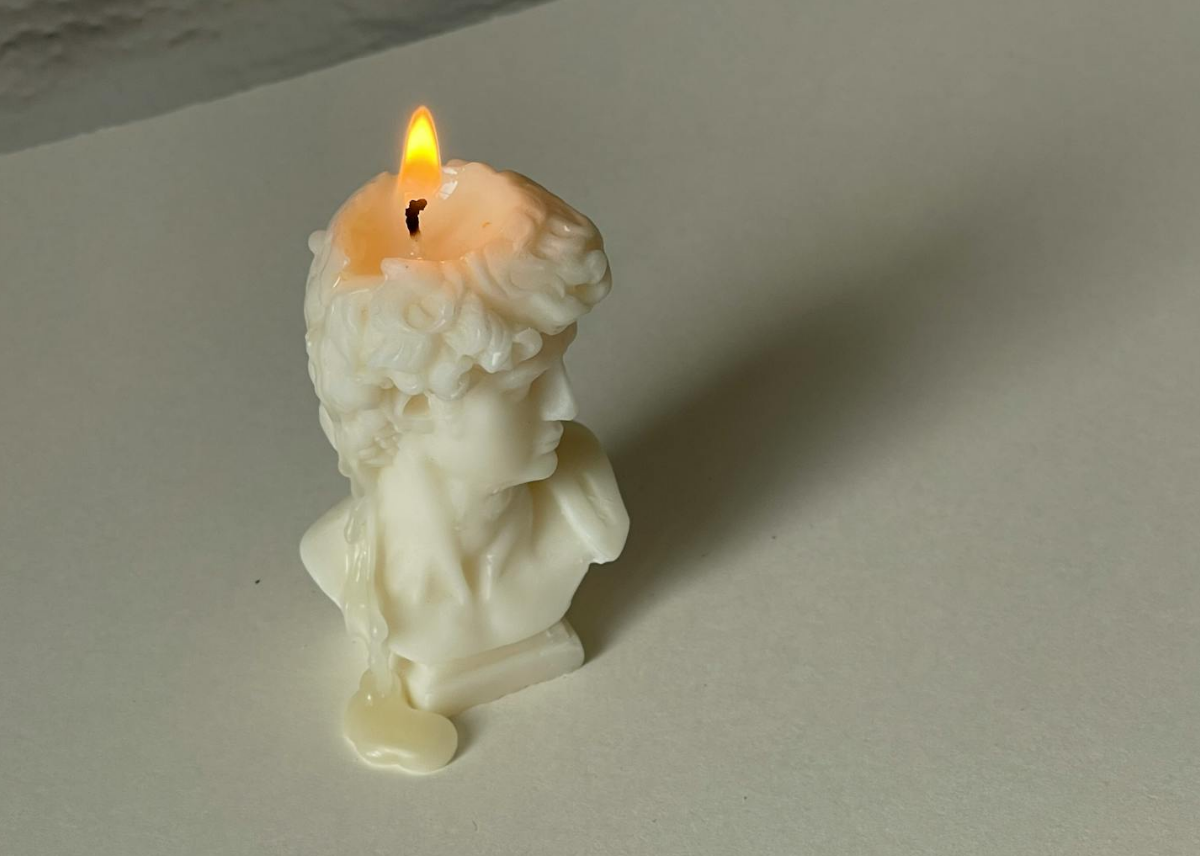
Burnout affects millions, yet misconceptions persist. Experts clarify that burnout is a response to chronic stress, not weakness or simple tiredness. It involves emotional detachment, reduced productivity and physical symptoms. Organisational factors often play a major role. Recovery requires meaningful change, not quick fixes like holidays, meditation or “pushing through”.
This article was written by Zing Tsjeng and published in the Guardian.
Once, after surviving yet another round of redundancies in a former job, I did something very odd. I turned off the lights in my room and lay face-down on the bed, unable to move. Rather than feeling relief at having escaped the axe, I was exhausted and numb. I’m not the only one. Fatigue, apathy and hopelessness are all textbook signs of burnout, a bleak phenomenon that has come to define many of our working lives. In 2025, a report from Moodle found that 66% of US workers had experienced some kind of burnout, while a Mental Health UK survey found that one in three adults came under high levels of pressure or stress in the previous year. Despite the prevalence of burnout, plenty of misconceptions around it persist. “Everybody thinks it’s some sort of disease or medical condition,” says Christina Maslach, the psychology professor who was the first to study the syndrome in the 1970s. “But it’s actually a response to chronic job stressors – a stress response.” Here we separate the facts from the myths.
Burnout is just tiredness
FALSE Exhaustion isn’t the only key symptom – another is depersonalisation, or a sense of emotional detachment and cynicism. In medical staff, that might show up as compassion fatigue (leading to diminished empathy and increased irritability). For those not in healthcare, “they may find that it’s hard to care as much about their colleagues”, and their work, leading to feelings of irritation, says Claudia Hammond, the author of Overwhelmed: Ways to Take the Pressure Off. The third sign is decreasing productivity and competence – whether real or perceived. “You get less and less done, which can often result in feelings of great shame or guilt,” explains burnout coach Anna K Schaffner.
Burnout is different from depression or anxiety
TRUE The World Health Organization (WHO) doesn’t consider burnout a mental health condition or illness. Having said that, “anxiety and depression can be signs of burnout”, says Hammond, “but not everyone with burnout will be feeling as hopeless as people feel when they’ve got depression.”
It’s always work-related
FALSE While the WHO classifies burnout as an “occupational phenomenon” related to long-term, badly managed work stress, scientists are now expanding their research to include parents and caregivers. “It’s a job that is incredibly emotionally draining, taxing and physically demanding,” explains researcher and Burnout Immunity author Dr Kandi Wiens. “Regardless of whether you’re getting paid for it, that can all lead to burnout.”
Only weak or unmotivated people get burnout
FALSE “If working hard cured burnout, so many of us would be cured,” says Amelia Nagoski, the co-author of Burnout: The Secret to Unlocking the Stress Cycle, who was hospitalised twice by stress-induced illness from their high-pressure musical conservatory. The syndrome can actually be an indication that you are overinvested in a job, notes Wiens. “We see this a lot with people who work for mission-oriented institutions or nonprofits. People who feel very passionately about their job will overly emotionally commit themselves; that can create emotional exhaustion.” Paradoxically, loving your job can make it harder to recover from burnout. “People often struggle to step away … If you didn’t care, you wouldn’t burn out,” explains Prof Gail Kinman from the Society of Occupational Medicine.
Read this article in full: Facing meltdown? Over 75% of people suffer from burnout – here’s what you need to know
2026 Inspiring Workplaces Awards are open for entries.
Enter The #1 PeopleFirst HR & Workplace Awards by February 25, 2026 in your region.